


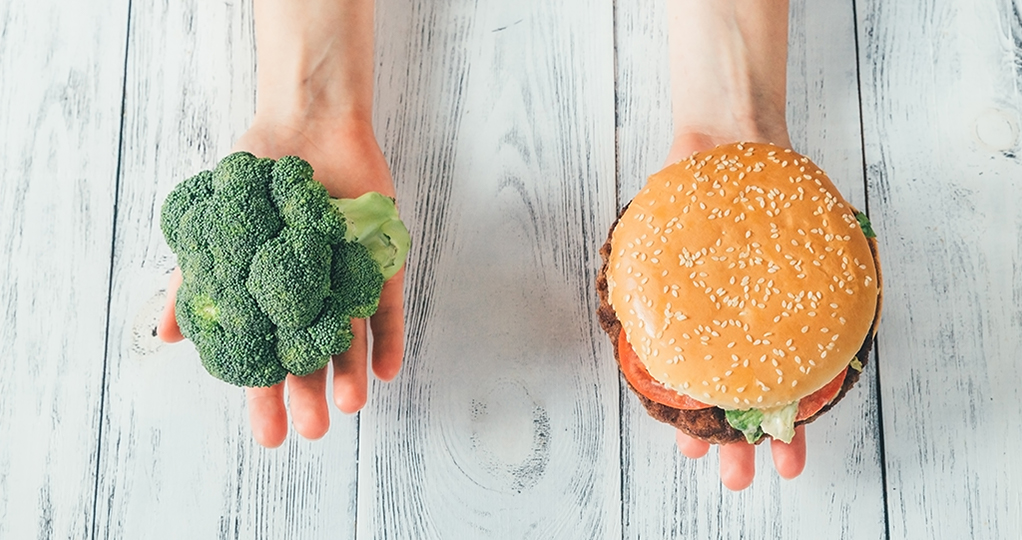
WHO urges schools worldwide to promote healthy eating for children
WHO released a new global guideline on evidence-based policies and programs to create healthy school food environments. Eating healthy food in school can help kids form healthy eating habits that will last a lifetime. WHO is telling countries, for the first time, to adopt a whole-school approach to ensure that all school food and drinks are healthy and nutritious.
Overweight and obesity among children are on the rise around the world, and undernutrition is still a problem. These two types of starvation put a lot of stress on schools. About 1 in 10 school-aged children and teens around the world—188 million—were obese in 2025, which was the first year that the number of obese children surpassed the number of underweight children.
Dr Tedros Adhanom Ghebreyesus, Director-General of WHO, said, “The food kids eat at school, and the environments that shape what they eat, can have huge effects on their learning and health and well-being for the rest of their lives.” “Good nutrition at school is very important for keeping kids healthy and preventing illness later on.”
Healthy eating habits start early in life. Schools are important places to change kids’ eating habits for life and even out health and nutrition disparities because kids spend a lot of time there.
There is still not much known about the nutritional value of the food that 466 million children around the world receive as school meals.
The WHO guideline suggests that schools should improve the food they offer to encourage greater use of healthy food and drink. In particular:
Setting standards or rules to make healthy foods and drinks easier to find, buy, and eat while limiting unhealthy foods (strong suggestion);
Nudging programs should be used to get kids to choose, buy, and eat healthier foods and drinks (conditional suggestion). As an example of a nudge intervention, the placement, presentation, or price of food choices for kids can be changed.
Policies aren’t enough to ensure that rules are followed consistently and effectively in schools; they also need to be backed by monitoring and enforcement systems. As of October 2025, the WHO Global database on the Implementation of Food and Nutrition Action (GIFNA) showed that 104 Member States had policies on healthy school food. Of these, almost three-quarters required the necessary criteria to be used to decide what was in school food. But only 48 countries had rules that stopped the sale of foods high in sugar, salt, or unhealthy fats.
WHO convened an international group of experts from various fields to develop this rule. They used a strict, open, and evidence-based process to do it. As part of global programs such as the WHO Accelerated Plan to Stop Obesity and the Nutrition-Friendly Schools Initiative, this work is a key component of the WHO’s broader goal to make food settings healthier.
The guideline is intended to support action at both the local and national levels. This is because local and city governments play a major role in promoting and implementing school food programs.
Through technical assistance, information sharing, and collaboration, the WHO will help Member States adapt to and follow the guidelines. WHO held a world webinar on January 27, 2026 (13:00–14:00 CET), to mark the start of the project.