


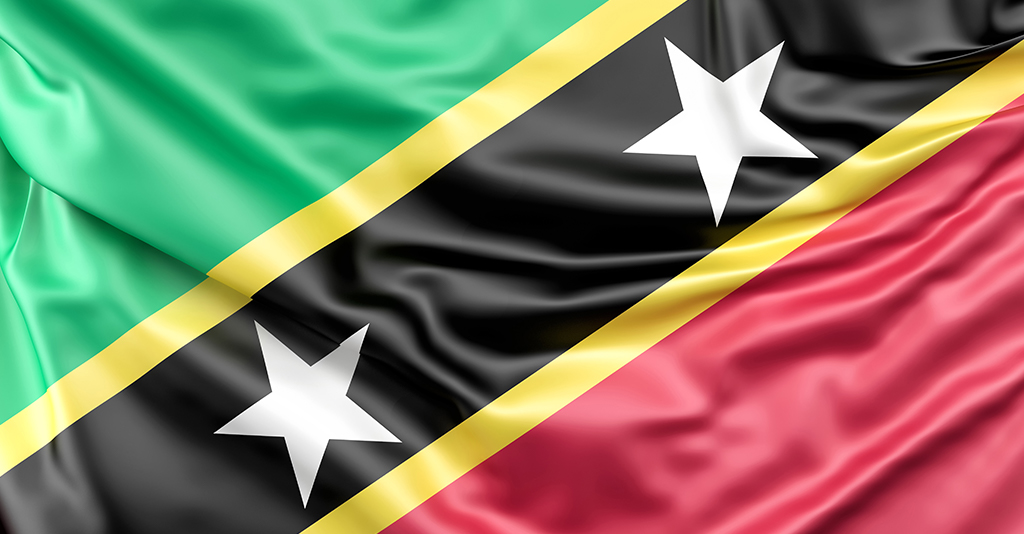
FinCEN gives green flag to St. Kitts CBI Programme
The US Financial Crime Enforcement Network (FinCEN) has finally taken down a long-standing warning about the St. Kitts and Nevis Citizenship Program. The advisory was first released in 2014, but it was officially withdrawn on February 2, 2026, following what officials called “sustained reforms” to the program’s governance, compliance, and due diligence processes.
Chairman Calvin St. Juste said in an official statement that this decision demonstrates the US has renewed its faith in the program’s oversight structure and operating standards. He said that the Citizenship Unit is now a legal entity with a Board of Governors. This change was made to increase the unit’s accountability, give institutions more freedom, and ensure that the government is keeping an eye on it.
That this important progress was made possible by the changes that Prime Minister Dr. Terrance Drew made to the Citizenship Program. Since taking office, the administration has made changes to the government’s structures and laws to make things more transparent, ensure that rules are followed, and align the country with best practices worldwide.
The first advisory, named FIN-2014-A004 and issued on May 20, 2014, raised concerns about the risks associated with CBI programs. Since then, Prime Minister Drew has made a number of structural changes, which is why FinCEN has officially taken back its original advice.
As part of these changes, multi-layered due diligence frameworks were made stronger, independent external reviews and audits were hired, global compliance cooperation was stepped up, applicants were required to be interviewed, all operational procedures were brought in line with new global AML/CFT best practices, and advanced biometric identity verification systems were put in place.
Officials also said the program has made it easier for local, regional, and foreign law enforcement to work more closely together. This has made it easier to share information and coordinate security.
Not only that, but more changes are also planned for 2026. There will likely be a “genuine link” requirement in the program, meaning applicants must demonstrate a real and ongoing relationship with St. Kitts and Nevis. The CIU says this will include having a structured physical presence and living there, engaging in meaningful economic activity such as starting a business or creating jobs, making investments that benefit the country, and being involved in social, cultural, charitable, or national development work over the long term.
St. Juste said that Prime Minister Drew paid attention to the advice and made major changes to address the concerns mentioned. He also said that removing the warnings shows the steps taken have worked. The government has said that it will keep working to improve oversight, due diligence, and compliance standards as the program changes under its new legal framework.
The head of the CIU said that the unit’s main goal going forward will still be to ensure strong due diligence, effective controls, and compliance with AML/CFT standards.