


New resources to strengthen diabetes diagnosis, treatment, and control in primary health care
The Pan American Health Organization (PAHO) launched the free, self-paced online course Caring for People with Type 2 Diabetes Mellitus in Primary Health Care today in honor of World Diabetes Day. The course is meant to help primary health care teams improve their skills and understanding. PAHO also showcased medicines and health tools for diagnosing and treating diabetes that are available through the PAHO Strategic Fund. They also showed other learning materials to help people take better care of themselves. It was also reported that a new WHO guideline on treating gestational diabetes will be released soon.
Diabetes keeps getting worse and is becoming a bigger problem for public health. Only 58% of people ages 30 and up in the Americas get treatment for diabetes, even though 112 million adults, or 13% of all adults, live with it. Diabetes is also the sixth most common cause of death in the region. Thousands more people will have to live with complications that hurt their eyesight, kidneys, and ability to move around if the disease is not managed. These numbers show how important it is to make basic health care services more available right away.
According to Dr. Carmen Antini, PAHO Advisor on Diabetes Prevention and Control, increasing the number of primary care providers is necessary to improve care quality and make health systems more efficient and fair. “This new course will help health professionals find type 2 diabetes early, treat it properly, and keep it under control,” she said. “Type 2 diabetes is closely linked to obesity, unhealthy diets, and lack of physical activity.”
The PAHO Virtual Campus for Public Health offers a training program with an introductory module and seven thematic units that cover how to diagnose diabetes, how to do a full assessment, how to set therapeutic goals, how to provide care as a team, how to use both drug- and non-drug-based treatments, and how to spot and handle both short-term and long-term complications.
The course is aimed at people who work in primary health care, like doctors, nurses, nutritionists, physiotherapists, social workers, and psychologists. It can also be used as supplementary reading for students in health-related fields.
The course is part of a set of tools that PAHO developed to help countries address diabetes. These include the HEARTS-D technology package and other tools that help improve clinical follow-up and encourage people to take care of themselves. The training program also fits with the Better Care for Noncommunicable Diseases (NCDs) Initiative. This initiative aims to help countries improve their management of NCDs as part of basic health care.
This project helps put the WHO Global Diabetes Compact into action in the area. The goal of the compact is to reduce the risk of diabetes and ensure that everyone who has it can access fair, comprehensive, affordable, and high-quality health care.
Diabetes that isn’t under control is one of the main reasons people go blind, have kidney failure, have heart attacks, strokes, and lose limbs. It also makes you twice as likely to get tuberculosis and makes it more likely that serious problems will happen during treatment. Regular testing and treatment can help people with diabetes, but only just over half of those with type 2 diabetes get the care they need. This is mostly because health services aren’t fully equipped to help everyone.
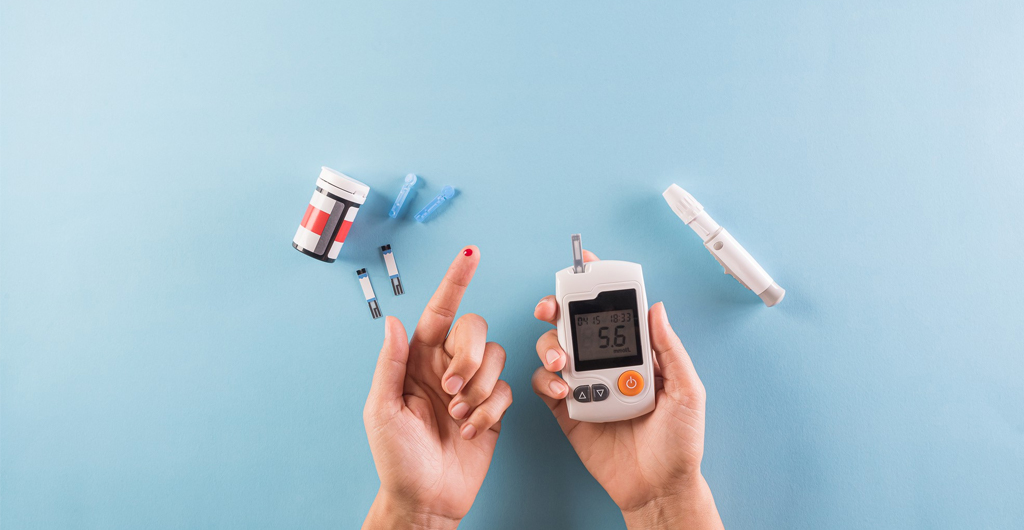
PAHO helps countries in the region through its Revolving Funds, which provide a way for everyone to buy essential medicines, vaccines, and public health supplies at low cost. This includes diabetes medicines like metformin, gliclazide, and insulin, with savings of over 90%. The Funds also make it easier to access blood glucose monitoring devices, which help people better manage their health and control their conditions, especially in areas where health services are scarce.
The 14th of November is World Diabetes Day every year. The theme for this year, “Diabetes across life stages,” supports the worldwide effort to reduce the risk of diabetes and ensure that everyone diagnosed with it can receive comprehensive, equitable, and high-quality care.